Motion graphics in brand video: when to use them and when to stop
Motion graphics are the most versatile tool in brand video production. They are also the most overused. Here is how to brief motion graphics work that adds value instead of visual noise.
Motion graphics serve a specific communication purpose.
The best use of motion graphics is to communicate something that live action or static design cannot: data in motion, processes that are invisible to the camera, abstract concepts made visual, and brand identity elements brought to life. A quarterly results video that uses animated charts to show growth communicates differently to one that cuts to a presenter reading numbers aloud. A product explainer that uses motion to show an internal mechanism works in a way that a product shot never could. The question before briefing motion graphics should always be: what is this communicating that nothing else can?
The most common misuse.
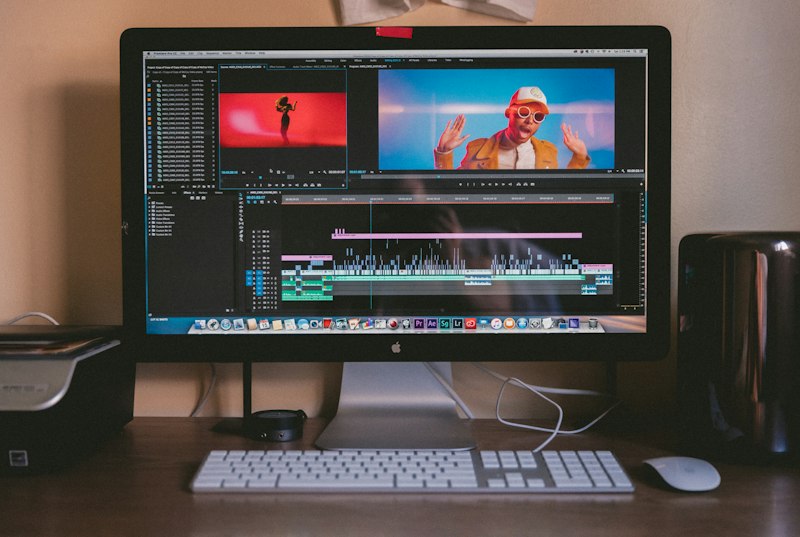
Motion graphics used as decoration, as a way to fill dead air in an edit or to make a production look more expensive, are immediately recognisable and damaging to the overall quality of the piece. Animated lower thirds that rotate unnecessarily, background animations that compete with the subject for attention, and logo reveals that take longer than three seconds are all symptoms of motion graphics used without a communication brief. Every animated element should have a reason.
How to brief motion graphics work properly.
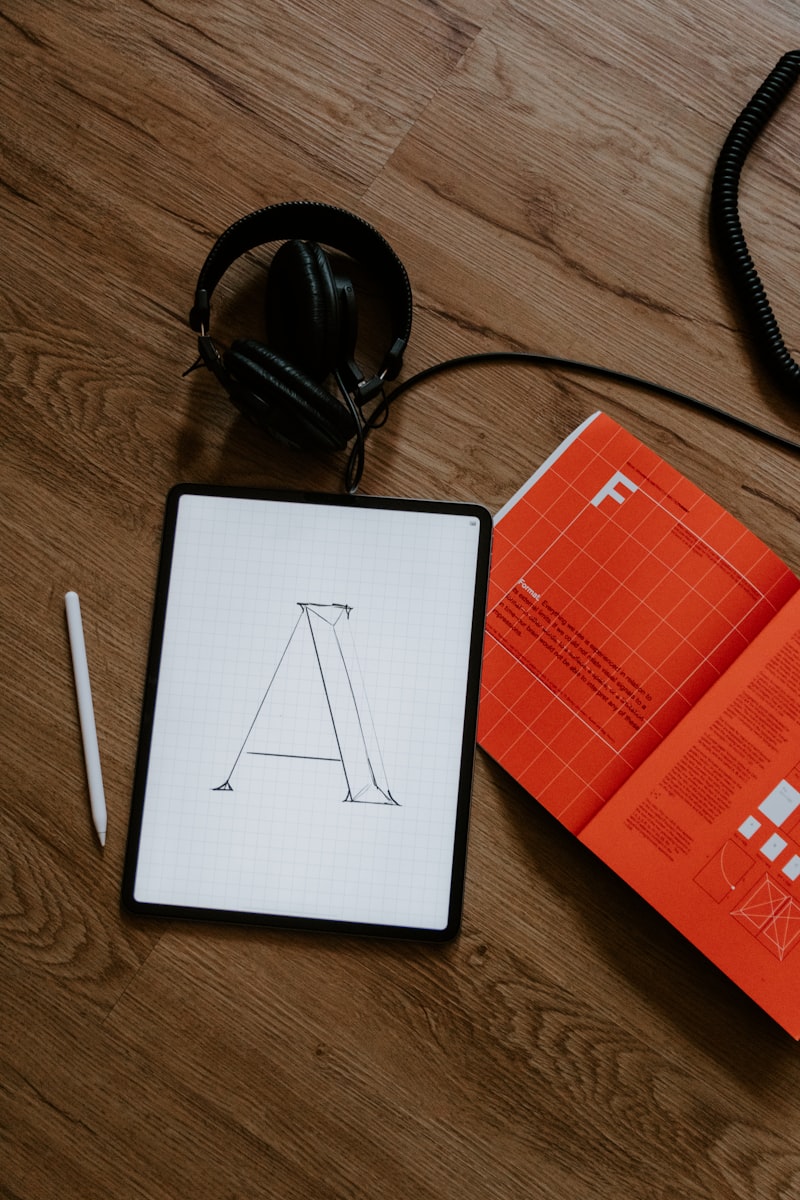
Three questions determine a motion graphics brief. What information or concept needs to be communicated? What is the visual language of the brand, including typefaces, colours, and design system elements? And what is the tonal register: is this content urgent and data-heavy, or warm and narrative? Answering these three questions before asking for motion graphics work produces better output, faster, with fewer revision rounds. J‑Cut Production's animation team works from a motion design brief alongside the main edit brief on every production that includes animated elements. See our motion graphics packages.
Costs and timelines for motion graphics.
Basic animated lower thirds and typography for a corporate video add two to three working days to the post-production timeline and a modest cost addition to the package. Complex motion sequences, data visualisations, or brand identity animations require a separate brief and a standalone timeline. CGI product sequences and 3D architectural animations are priced as independent productions. The most important distinction is between motion graphics that support a live-action edit and animated content that stands alone. Both are valuable. They are not the same product.